On 5 January 1931, Alvin Ailey was born – and with him, the future of American dance was forever transformed. At a time when opportunities for Black dancers and choreographers were scarce, Ailey defied the odds, placing African American experience at the heart of the modern dance stage. Through his electrifying choreography and the founding of the Alvin Ailey American Dance Theater, he redefined who could be seen, whose stories could be told, and how dance could convey history, spirituality, and resilience.
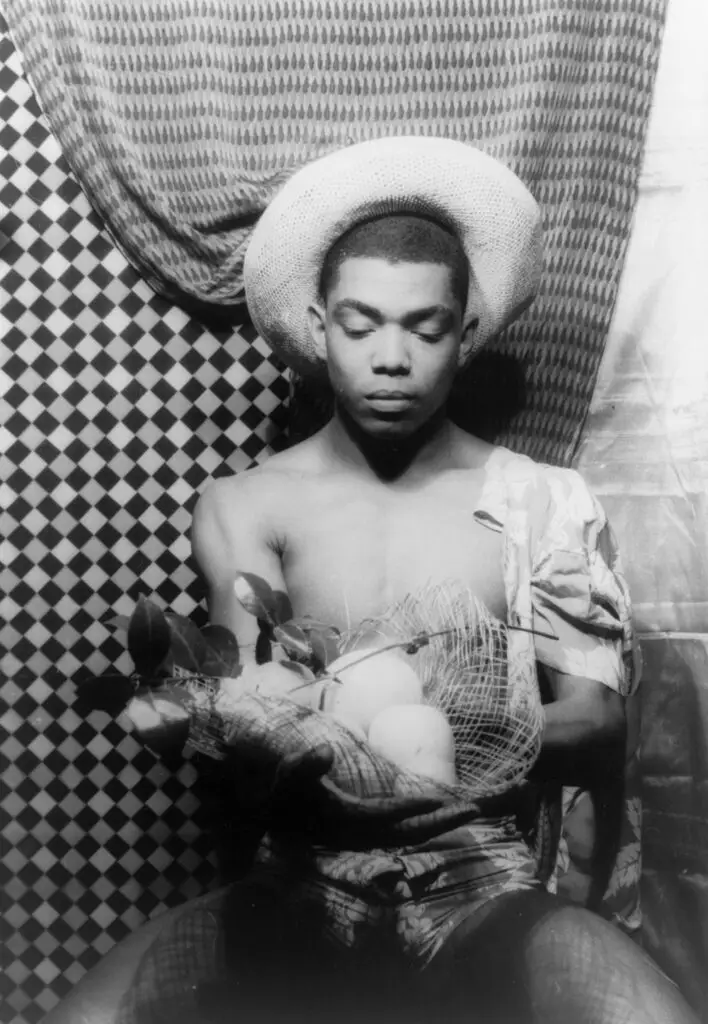
Credit: “Portrait of Alvin Ailey” 22 March 1955. Creative Americans: Portraits by Carl Van Vechten, 1932-1964.
From the South to the spotlight
Ailey was born in Rogers, Texas, and raised in the segregated American South. His childhood, marked by poverty, hardship, and the vibrancy of the Black church, informed much of his later work. Moving to Los Angeles as a teenager, he discovered dance after seeing performances by the Ballet Russe de Monte Carlo and began studying modern dance with Lester Horton.
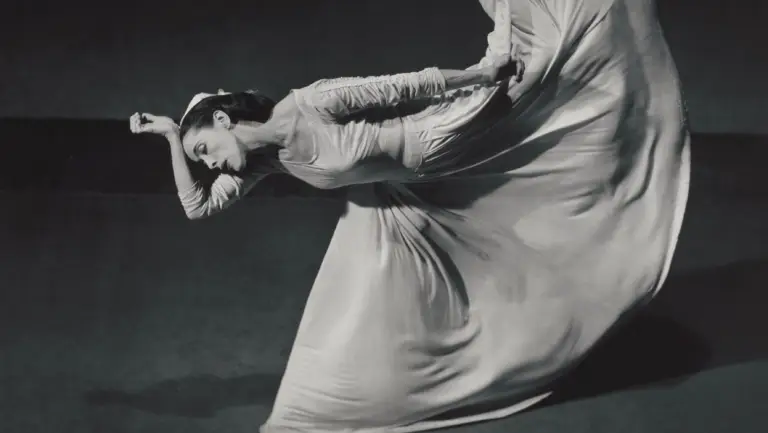
In 1954, Ailey moved to New York City, dancing on Broadway while studying with leading modern dance figures, including Martha Graham, Doris Humphrey, and José Limón. This blend of technical rigour, theatricality, and emotional expressiveness became central to his choreographic voice. He developed a uniquely personal rehearsal style, often singing, humming, or vocalising rhythms instead of counting, guiding dancers to internalise phrasing and emotion rather than just execute steps. These experiences and methods laid the foundation for his vision as a choreographer and teacher, culminating in the founding of the Alvin Ailey American Dance Theater in 1958.
Initially performing at the 92nd Street Y, the Alvin Ailey American Dance Theater’s (AAADT) mission was clear: to present works rooted in African American culture while communicating universal human experiences. It was here that Ailey created his most enduring work, Revelations (1960). Drawing on African American spirituals, gospel, and blues, the ballet reflects his memories of church, baptism, sorrow, and joy. While it became his signature piece, Ailey reportedly felt ambivalent about it later in life. He was proud of Revelations but worried it overshadowed his broader repertoire, with audiences expecting only that style of work from him.
“I wanted to do the kind of dance that could be done for the man on the streets, the people. I wanted to show Black people that they could come down to these concert halls. That it was part of their culture being done there. And that it was universal.“
Alvin Ailey
From stage to legacy
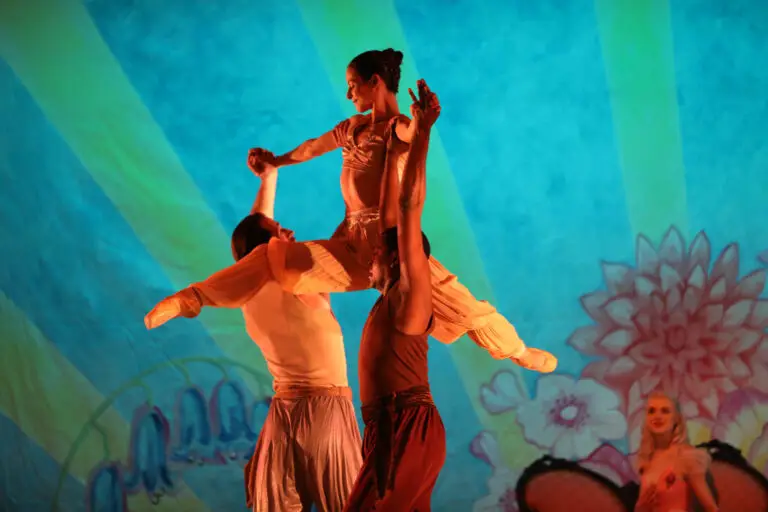
Beyond Revelations, Ailey choreographed over 70 works, including Blues Suite, Cry, and Night Creature. His style combined athleticism, musicality, and dramatic storytelling, reflecting his love for theatrical flair. Unlike some modern dance circles that favoured minimalism, he embraced dramatic lighting, rich costumes, and emotionally direct performance, ensuring that each piece was visually and emotionally compelling.
Ailey was also a visionary director, establishing AAADT as a company that toured internationally and served as a cultural ambassador. He championed Black dancers and choreographers at a time when professional opportunities were limited, helping to reshape the face of modern dance in America. Though intensely private and sometimes superstitious, he was also known for his dry, understated sense of humour and his ability to inspire dancers through warmth and emotional intelligence.
Alvin Ailey died on 1 December 1989. In life and after death, his legacy endures through AAADT, the Ailey School, and the countless dancers and audiences he influenced. More than a choreographer, Ailey was a storyteller, a cultural pioneer, and a testament to the power of dance to communicate joy, struggle, and transcendence across boundaries of race, background, and experience.
Five must-see works by Alvin Ailey
Revelations (1960): This is Ailey’s signature masterpiece that has captivated audiences worldwide for decades. Drawing deeply on African American spirituals, gospel, and blues, Revelations explores the spectrum of human emotion—sorrow, joy, and faith—through powerful choreography and vivid storytelling.
Cry (1971): Created as a tribute to the strength and resilience of Black women, this solo piece blends modern dance, ballet, and raw emotional expressiveness, offering both intimacy and universality.
Blues Suite (1958): One of Ailey’s earlier works, Blues Suite captures the energy and spirit of urban African American life. Infused with jazz- and blues-inspired rhythms, it offers a window into the formative years of his career, revealing the theatrical flair and rhythmic vitality that would become hallmarks of his style.
Night Creature (1974): This piece presents a darker, more dramatic side of Ailey’s artistry. With tense, sensual movements set against atmospheric lighting, it delves into the intensity of human emotion and desire.
The River (1970): Inspired by the fluidity and power of water, The River features sweeping, athletic movement. Unlike some of his more narrative-driven works, it showcases his ability to create abstract, visually arresting choreography.
If Ailey’s inspiring legacy makes you curious about exploring dance in your community, visit Stage Lark’s dance directory and get expert insights with our Ultimate guide to dance competitions, auditions and scholarships — your complete resource for key event dates, entry tips, and industry advice.
Also, don’t miss our other articles on legendary choreographers. Dive into the innovative techniques and lasting impact of Martha Graham and George Balanchine, and discover how these visionaries shaped the world of dance in their own unforgettable ways.